
Menstrual Education
Understanding your menstrual cycle is an important part of your overall health and well-being. At Veela, we believe that education is key to empowering you to feel confident and comfortable during your period. Here’s what you need to know about menstruation and how to manage it effectively.
What is Menstruation?
Menstruation, also known as a period, is a natural process that happens in the female body as part of the reproductive cycle. Each month, the body prepares for a possible pregnancy by thickening the lining of the uterus. If pregnancy doesn’t occur, this lining sheds through the vagina, resulting in bleeding, which typically lasts between 3 to 7 days. Most women experience menstruation from puberty (around age 12) until menopause, which usually occurs between the ages of 45 and 55.
Phases of the Menstrual Cycle
The menstrual cycle is divided into four main phases:
- Menstrual Phase: This is when bleeding occurs. The body sheds the uterine lining, which consists of blood, mucus, and tissue.
- Follicular Phase: Starting from the first day of your period, this phase is marked by the release of hormones that stimulate the growth of follicles in the ovaries.
- Ovulation Phase: Around the middle of the cycle, one of the mature eggs is released from the ovary, ready for fertilization.
- Luteal Phase: After ovulation, the body produces progesterone to prepare for a possible pregnancy. If fertilization doesn’t occur, hormone levels drop, triggering menstruation and starting the cycle again.
Managing Your Period
Every woman experiences menstruation differently. Some may have light periods with little discomfort, while others may face heavy flow and symptoms like cramps, bloating, and fatigue. Here are some ways to manage your period:
- Sanitary Products: There are various options available, including sanitary pads, tampons, menstrual cups, and pantyliners. Choose what feels most comfortable and suits your flow. Veela offers a range of high-quality sanitary pads and pantyliners designed to keep you feeling dry and comfortable all day long.
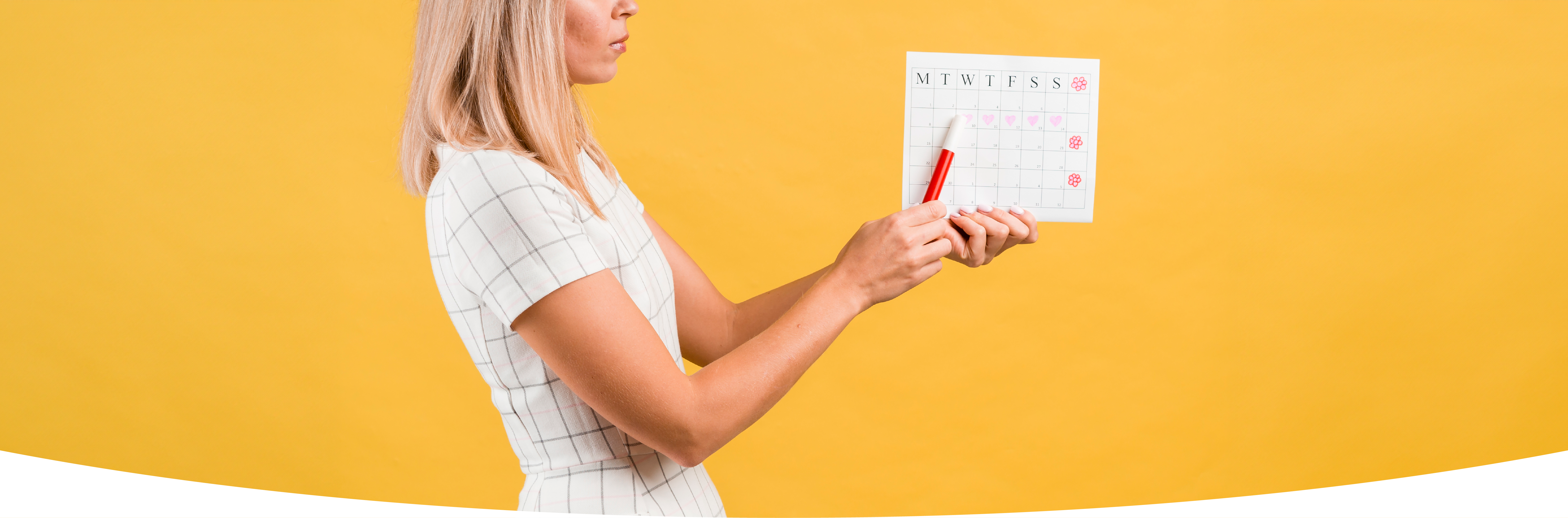
- Tracking Your Cycle: Keeping track of your cycle can help you anticipate when your period is coming and manage symptoms better. There are many apps available to help you monitor your cycle, track your symptoms, and even predict ovulation.
- Healthy Lifestyle: Eating a balanced diet, staying hydrated, and exercising regularly can help manage menstrual symptoms like cramps, bloating, and mood swings. Relaxation techniques like yoga and meditation can also help relieve stress and discomfort.
Myths About Menstruation
There are many misconceptions surrounding menstruation. Let’s clear up some common myths:
- Myth: You can’t exercise during your period.
Fact: It’s completely safe and even beneficial to exercise during your period. Light activities like walking, yoga, or swimming can help relieve cramps and boost your mood. - Myth: Periods should always be regular.
Fact: While most women have a cycle lasting between 21 to 35 days, it’s normal for your period to be irregular at certain times, especially during puberty, after childbirth, or approaching menopause. If you’re concerned about irregularities, consult a healthcare provider. - Myth: You shouldn’t swim during your period. Fact: You can swim during your period. Just be sure to use a tampon or menstrual cup for protection.


